
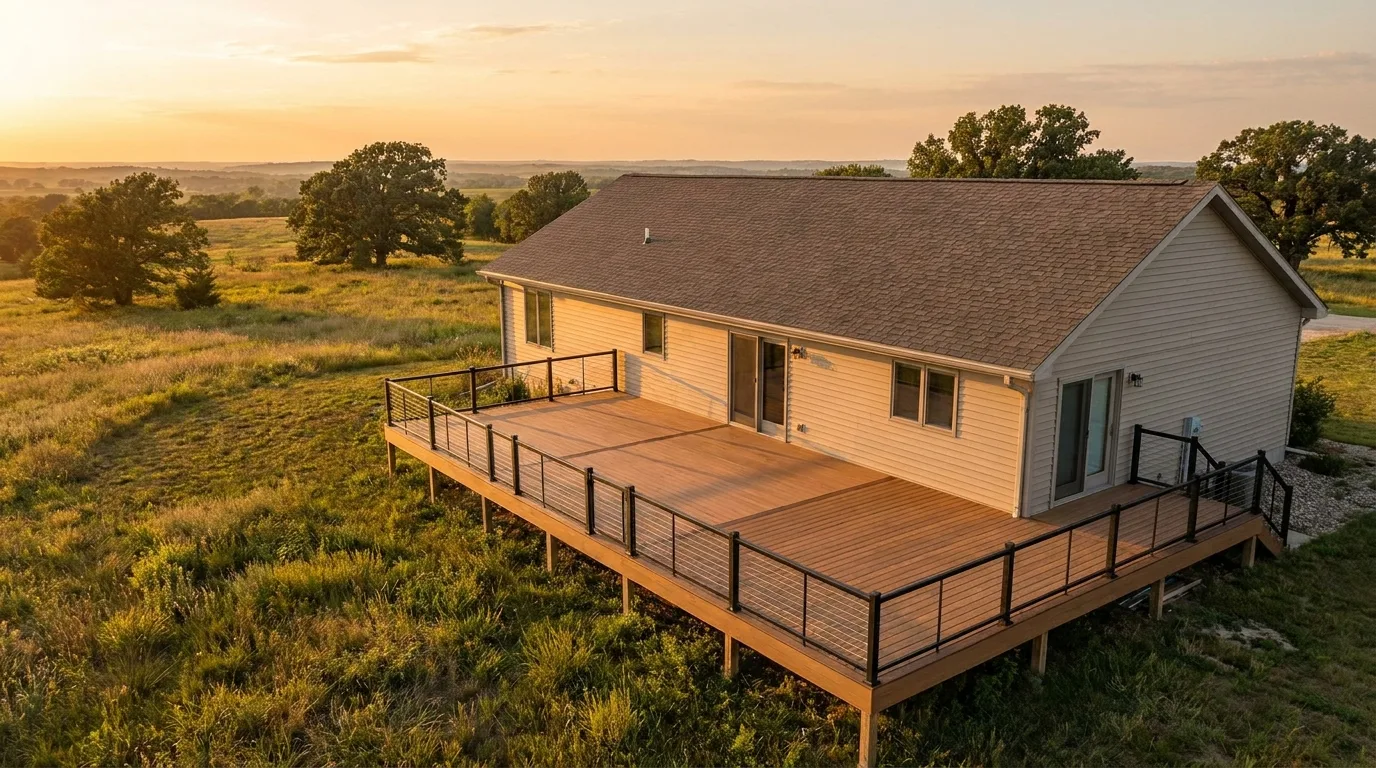
We Build and Rebuild Decks in Manhattan, KS
Here's what we build: new decks in composite and treated, full refurbishments on a sound frame, railings, and, if you want to take it further, a cover or screens.
- Licensed and insured
- Family and locally owned
- Established 2015
- Free estimates
What We Build
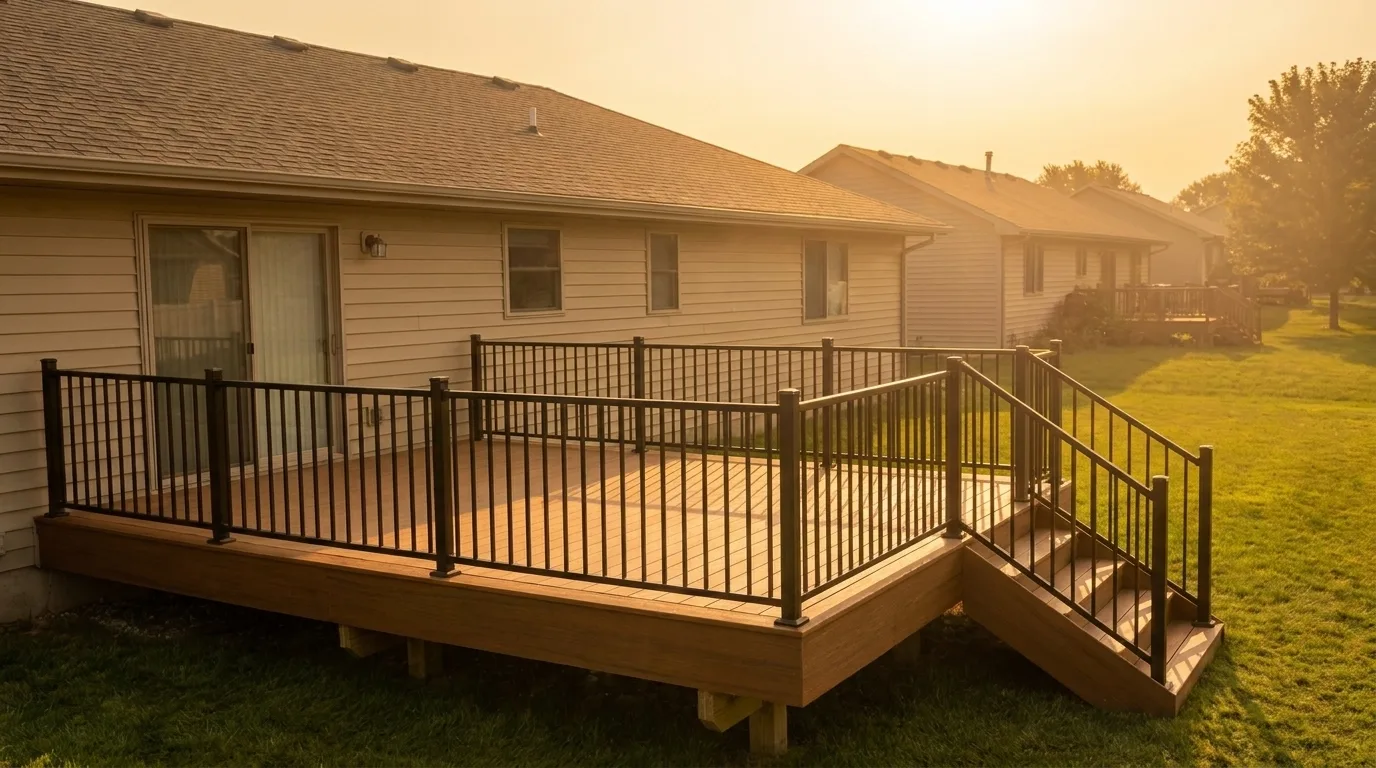
New Composite Decks
TimberTech is the composite line we run almost exclusively in this market. It holds up to Kansas sun and freeze-thaw winters with very little upkeep, which is a large part of why decks are the core of what we build. More on how it compares to treated lumber below.
New Pressure-Treated Decks
Pressure-treated lumber is a real option, not a fallback for homeowners who can't afford composite. It costs less up front, and plenty of homeowners are glad to keep up with staining in exchange for that lower price. We build to the same structural standards regardless of which material sits on top.
Deck Refurbishment
A new decking surface and new railings, built on the deck's existing frame when that frame is still sound. This is a full rebuild, not a patch, and it is often the right answer if your current deck is failing on the surface but still square underneath.
Railings
Railings range from a simple, code-compliant baluster line to cable, metal, and composite systems that change the whole look of the deck. Of everything you choose, railing selection is one of the pieces that moves your budget the most, more than most homeowners expect going in.
Most deck projects don't end with the decking and railings. See add-ons →
Composite or Treated: Choosing Your Material
The choice between composite and treated decking is not really about the boards. It comes down to how much upkeep you want to take on and how long you plan to stay in the house. Kansas conditions make that choice matter: sun that fades and checks wood, hot and humid summers, freeze-thaw winters that work at fasteners and joints, and hail that shows up as a recurring fact of life for anyone building outdoors here.
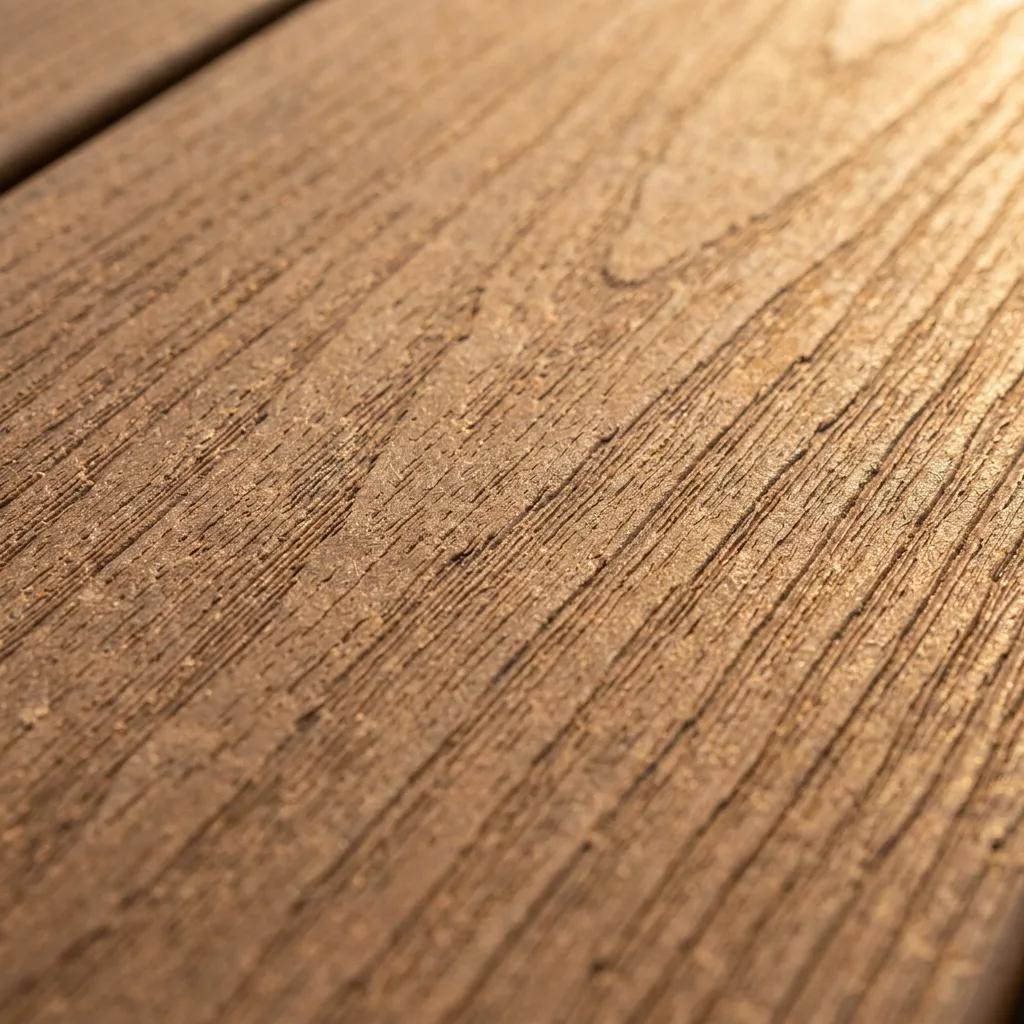
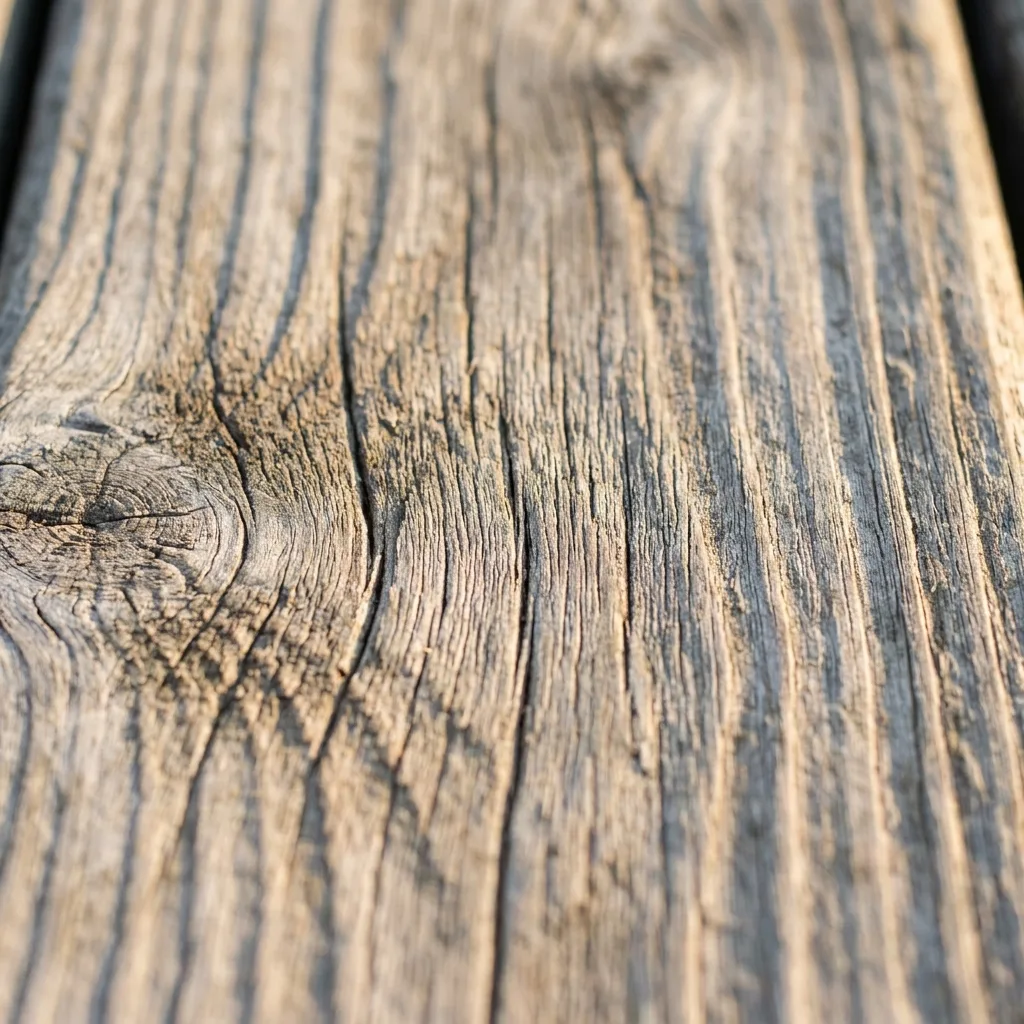
The same deck, built to the same size with the same railing, can land in two different budget ranges depending on which material you choose. That is the single biggest lever in what your project ends up costing, more than square footage or stairs. The next section walks through everything else that moves the number. See what drives the cost →
- Up-Front Cost
- Composite: Higher up front than treated lumber, before any other choice you make.
- Treated: Lower up front than composite, which is part of why it's still a popular choice.
- Ongoing Upkeep
- Composite: Washed as needed. No staining, no sealing.
- Treated: Cleaned and restained or resealed on a cadence; the standard guidance is every two to three years.
- How It Ages in Kansas
- Composite: Holds its colour and surface through the seasons.
- Treated: Grays and checks in the sun, can splinter over time, and fasteners can lift as the wood moves through winter freeze-thaw cycles.
- Colour and Finish
- Composite: Chosen once, at the time of purchase, and it lives with the deck for as long as you own it.
- Treated: You pick a stain, and you're free to change the colour again down the road if your taste changes.
- Underfoot in Full Sun
- Composite: Gets hot in full sun if the colour is dark, the same as any dark surface would.
- Treated: Gets just as hot as a dark composite board in full sun. Colour choice matters more here than the material underneath it.
- Who It Suits
- Composite: A homeowner planning to stay in the house who is done with staining for good.
- Treated: A lower up-front budget, or a homeowner who genuinely doesn't mind keeping up with the stain cycle.
What Actually Drives the Cost of a Deck
What a deck costs comes down to a handful of choices, not the address it's built at. Two houses on the same street can land in two different ranges once you factor in material, size, height, railing, and stairs.
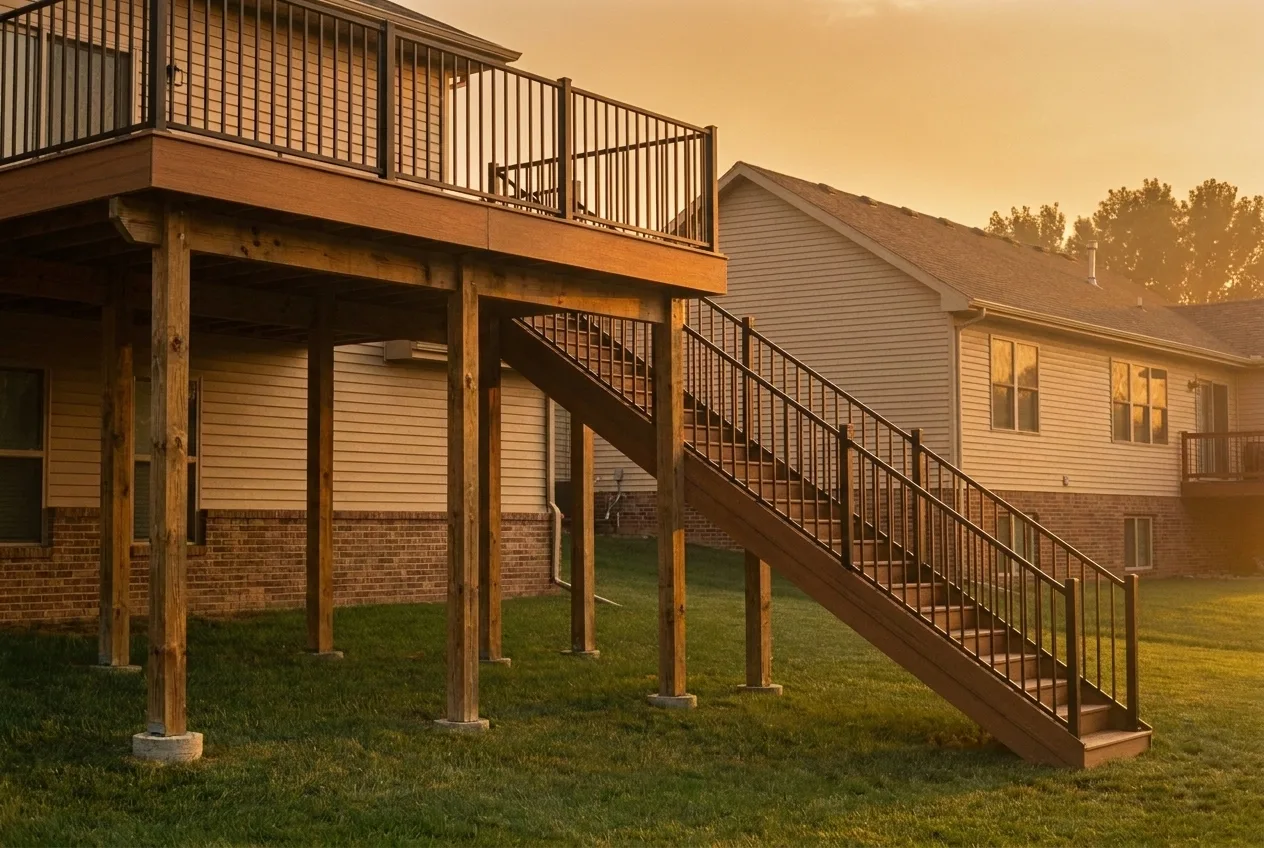
- Material ChoiceThis is the single biggest swing in the whole project, and it's the one most homeowners underestimate walking in. See composite versus treated →
- Square FootageMore deck means more of everything underneath and on top of it: more framing, more footings, more boards, more fasteners, and more railing to run around the perimeter. A small platform off the back door and a wraparound deck spanning the whole rear of the house are simply two different jobs.
- Height Above GradeA deck that sits well above the ground needs more structure underneath it, taller guard railing, and a real stair system, and past a certain height in the City of Manhattan, it needs a permit. See the permit threshold →
- Railing SelectionThe range runs from a basic baluster railing up to cable, aluminium, or composite systems, and railing is often a bigger line item in the final number than homeowners expect.
- StairsHow many stair runs your deck needs, how long each run is, and where they land in the yard all add up, especially on a deck built well above grade where the stairs have to cover real vertical distance.
- A Cover or ScreensA cover or screens adds an entirely separate project on top of the deck, with its own scope and its own line items, and it doesn't move the six drivers above. See deck covers & screened porches →
Read back through these six, decide which side of each one you land on, and you'll have a good sense of your own range before you ever fill out the form.
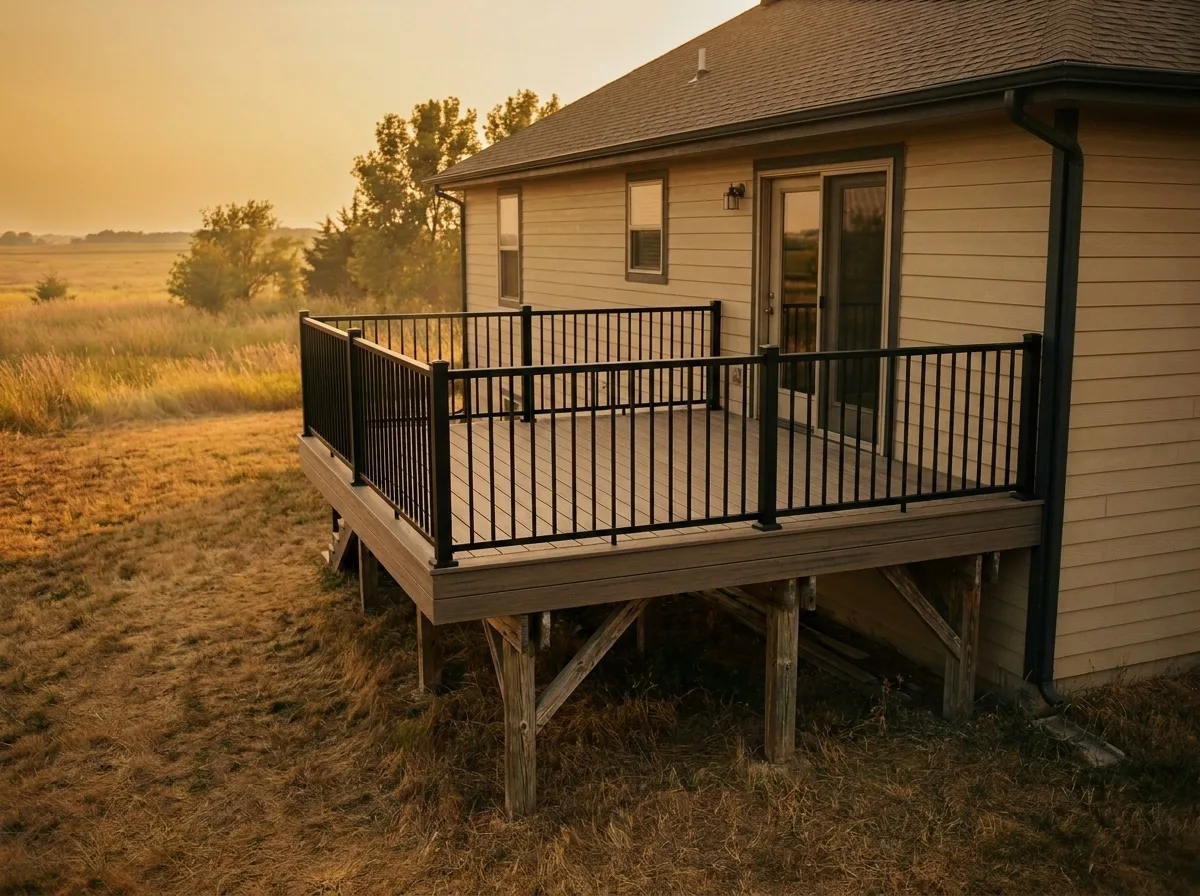
Rebuilding on a Structure That's Still Sound
What refurbishment means: a new decking surface and new railings, built on top of the structure your deck already has. It's not a patch, and it's not a ground-up build starting over at the footings. It's a full rebuild of everything you walk on and lean against, done on a frame that's already doing its job.
The threshold we look for: when roughly 80% or more of the footings and framing are still sound, we can rebuild on what's already there. Footings are the concrete piers set in the ground that carry the deck's weight. Framing is the beams and joists underneath the boards you actually walk on. If most of both are solid, you don't need a whole new deck. You need a new deck built on top of the one you already have.
Why it costs less: the frame is the most labor-intensive part of any deck, and refurbishment reuses the one you already have instead of building it again from the ground up. You're paying for new decking, new railings, and the labor to put them on, not for a second set of footings and framing.
When we come out to look at a deck for refurbishment, here's what we check:
- Movement or rot at the footings and post bases
- Soft spots in the joists
- How the ledger board is attached to the house, and whether it's properly flashed
- Whether the frame is still square, checked the traditional way: a triangle measuring 3, 4, and 5 along its sides confirms a true right angle
If a deck doesn't pass that check, we'll tell you plainly and quote a new build instead of talking you into a refurbishment that won't hold up. Either way, you'll know which one you're getting before any work starts.
Why We Don't Replace Single Boards
If you've got two bad boards, asking us to just replace those two boards is a completely reasonable thing to ask. We get that request often, and it makes sense on its face.
Here's the problem: new material, even the exact same product from the exact same production run, won't match boards that have spent years weathering in Kansas sun. The colour won't line up, so the repair will read as a patch: newer, different, and easy to spot from the driveway.
If the rest of your deck's frame is sound, a refurbishment gets you a surface and railings that look and perform like new, for a cost that sits much closer to that patch than to a full ground-up build, because we're reusing the frame you already have. If the frame isn't sound, we'll tell you that too, and a new build is the honest answer. See deck refurbishment →
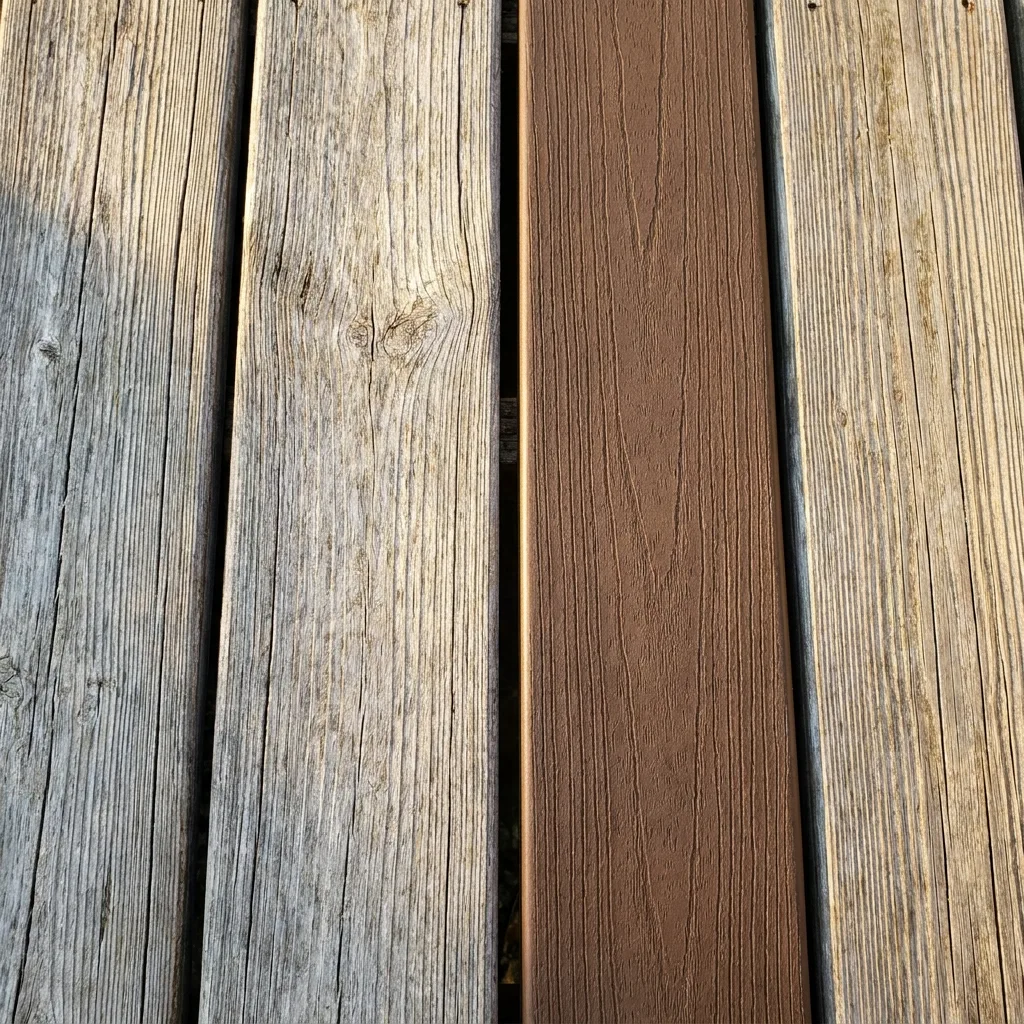
The 5 Year Labor Warranty on TimberTech Decks
Every TimberTech composite deck we build comes with a 5 year labor warranty on TimberTech. That's straightforward: it covers the labor on the composite decks we build, and nothing else. It does not extend to our pergola work, our siding work, or our room addition work, each of which carries its own separate terms. For the specifics on your own project, ask us when you request your estimate.
Permits, and Who Handles Them
The City of Manhattan requires a building permit for a new deck, or for replacing an existing deck, more than 30 inches above ground level. That's the threshold that decides whether your specific project needs a permit before we're allowed to start work, and it's worth knowing before you start picturing stairs and railings.
We handle the full permitting process on every project that needs one, which means the paperwork and the trip to city hall are ours to manage, not yours. More on how we work →
Requirements aren't identical everywhere we work. What applies inside the City of Manhattan isn't necessarily what applies in the smaller towns and counties nearby, so we confirm exactly what's required for your address before anything gets scheduled. See our service area →
Add-ons
Most deck projects don't stop with decking and railings. Deck, cover and screen is the majority of our recent work, because a deck with a cover on it is still a deck project, just a bigger one. Deck Covers & Screened Porches →
Railings stay part of this page too, from a simple baluster line to cable, aluminium, or composite systems. As you saw above, railing choice is one of the bigger levers in what your final number looks like. See what drives the cost →
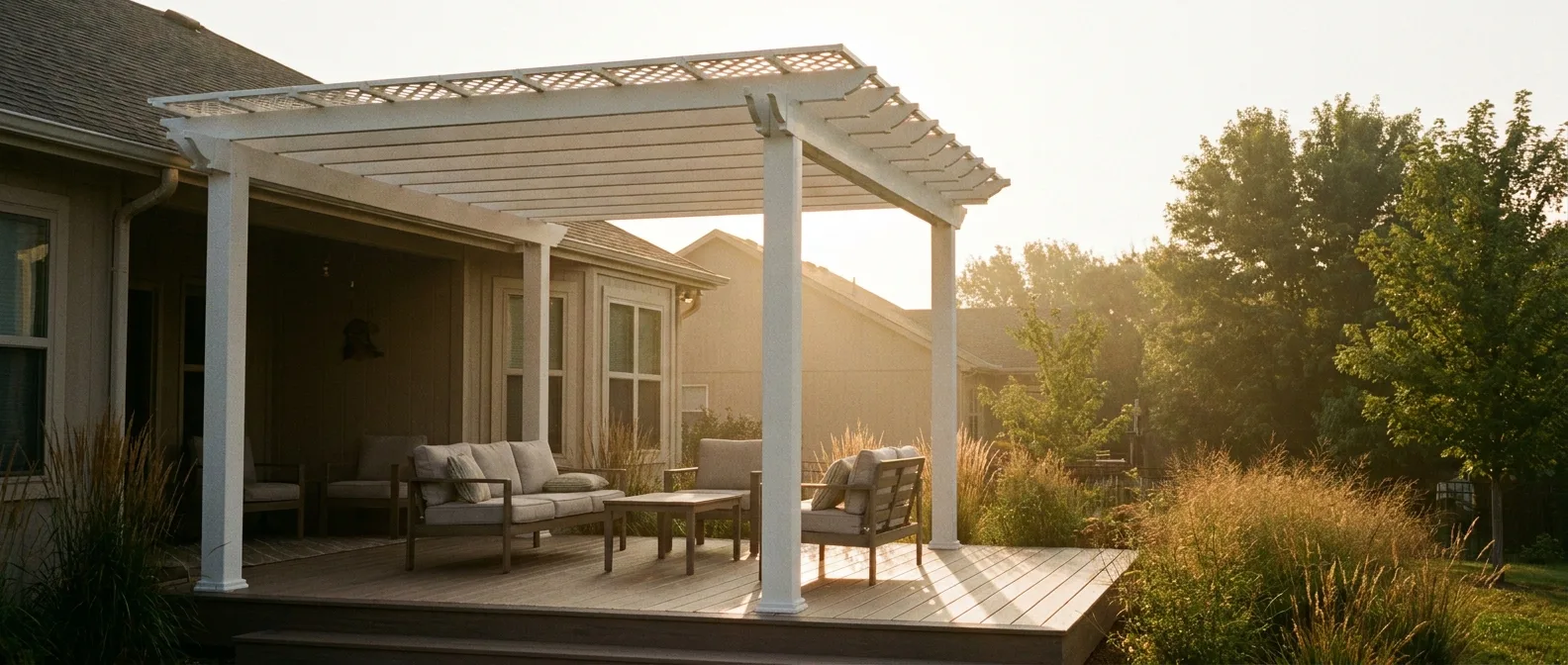
A pergola built over the deck is another common finishing touch. Pergolas →
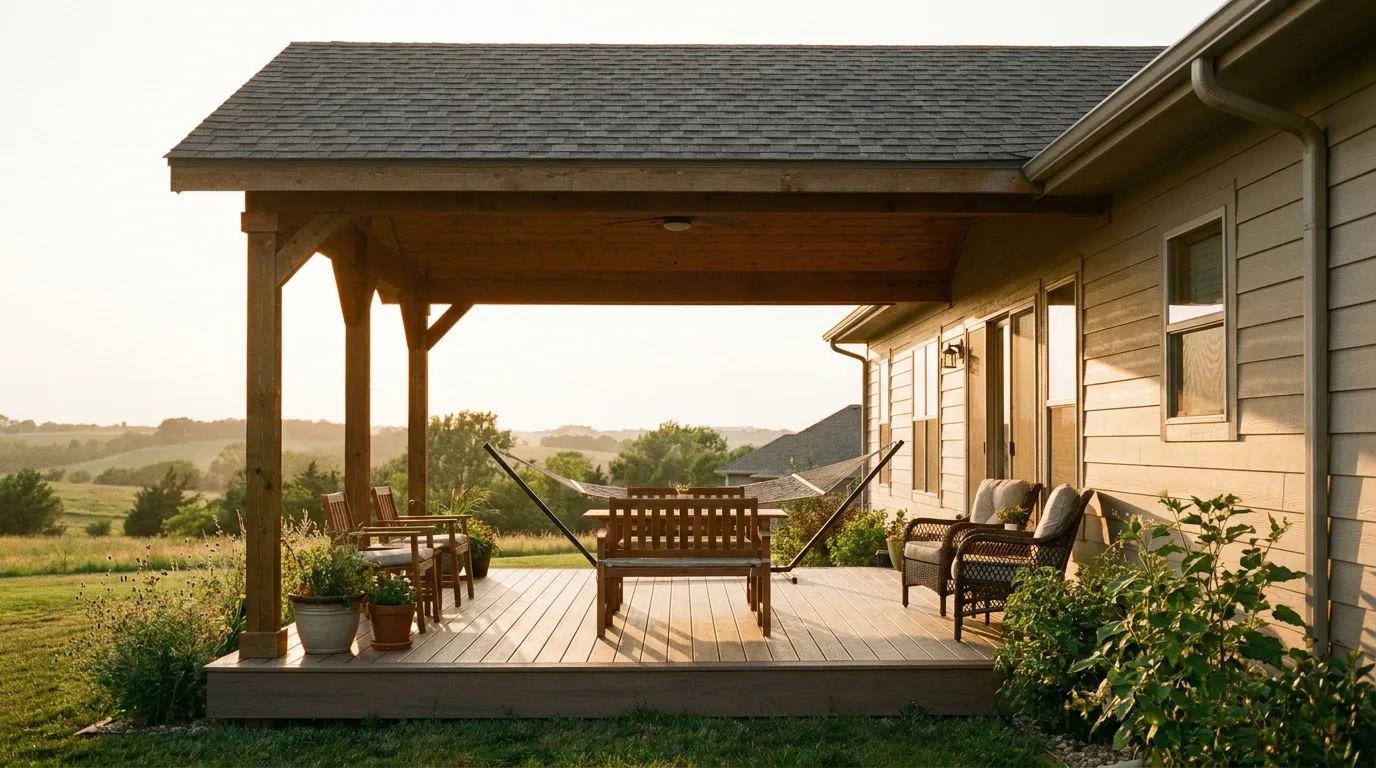
Recent Deck Projects
Every deck below is real work we've built in the Manhattan area, not a rendering or a stock photo. It's a small sample of what building here actually looks like, from framing to the finished railing.
Common Questions About Building a Deck
If roughly 80% or more of the footings and framing are still sound, we can rebuild on your deck's existing structure, and reusing that frame costs less than starting from scratch. If the structure doesn't pass that check, a new build is the honest answer. We'll tell you which one you're looking at after we walk the deck in person.
It depends on two things, and neither is about the boards: how long you plan to stay in the house, and whether you're willing to keep up with restaining. The standard guidance for treated wood is a restain every two to three years. If you're staying long term and would rather skip that cycle, composite tends to make more sense.
Composite costs more up front than pressure-treated lumber. The colour is chosen once, at purchase, and it lives with the deck for as long as you own it, unlike a stain you can change later. And like any dark surface, a dark composite deck gets hot underfoot in full summer sun, so colour choice matters.
There's no set number, because it depends on how the deck has been treated: whether it's been cleaned and resealed on a cadence, how much direct sun it takes, and how many freeze-thaw cycles it has been through. Near the end of its life, you'll see graying, checking, splintering, soft spots, or railings that have started to move. That's what a refurbishment assessment is for.
A brand-new board never quite matches one that has spent a decade fading outdoors, so a couple of swapped-in boards would stand out instead of blending in. We'd rather look at refurbishing the whole deck, which leaves you with a surface that reads as one consistent build instead of a visible patchwork.
We do. Pulling the permit, filing the paperwork, and dealing with the city are all on us, not on you, on every deck project that needs one. All you need to do is decide on the project itself. We'll confirm whether your specific deck needs a permit once we've looked at your plans and your property.
It depends on the size of the deck, the material, whether a permit is involved, and what the weather is doing at the time. Every project is different enough that a single number wouldn't be honest. When we put together your estimate, we'll also walk you through a realistic schedule for your specific project.
Get a Free Estimate on Your Deck
You've just read what actually moves the price on a deck, so the budget range you choose below isn't a guess anymore, it's an informed one. Telling us up front means the estimate you get back is scoped to a deck you can genuinely build, not one of several bids spread across materials that were never realistic for you.