
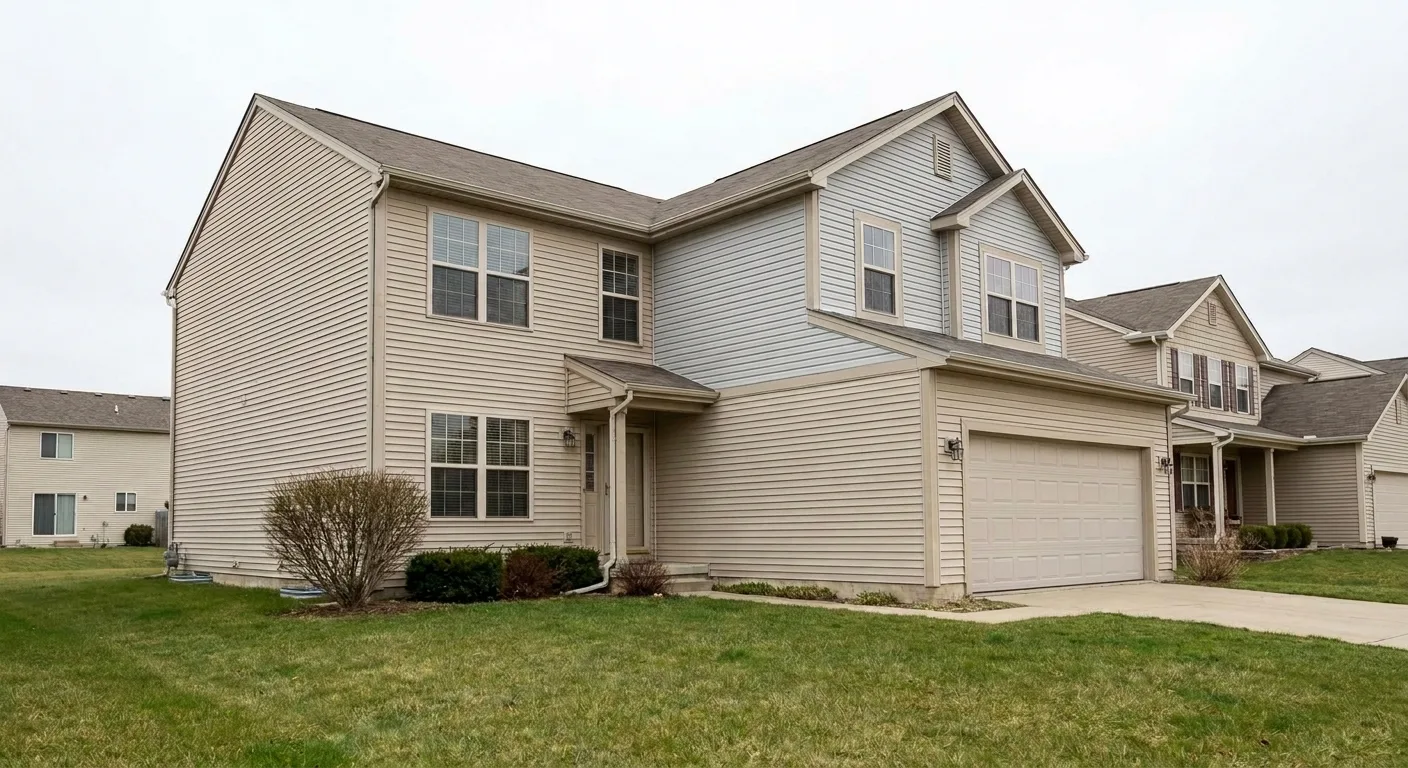
Siding Replacement and Installation in Manhattan, KS
We install vinyl, fiber cement, and engineered wood on homes across the Manhattan area, on a single wall or the whole house. Which material is right for yours depends on the house in front of us, not a default we reach for first.
- Licensed and insured
- Family and locally owned
- Established 2015
- Free estimates
Why so much siding around here is reaching the same point at once
Much of Manhattan's housing stock dates to the 1990s and 2000s, according to Census data, which is exactly the window when original builder-grade siding starts to reach the end of its service life. If your house was built in that era, the siding on it is doing the same job it has always done: it is just doing it a little worse every year.
The signs are usually easy to spot once you know what you're looking at: cracking, bubbling or blistering paint, soft or spongy spots (especially low on a wall or under a window), warping and cupping, a chalky discoloration when you run a hand across it, gaps opening up at joints and corners, paint that will not hold after a repaint, or staining and moisture showing up on an interior wall.
Siding is a water-management system before it is a look. Once it stops shedding water the way it should, the problem moves to the sheathing behind it, and that is a different job than the one you called about. The rest of this page covers which material replaces it, and whether you are looking at a section or the whole house.
The three materials we install
Vinyl
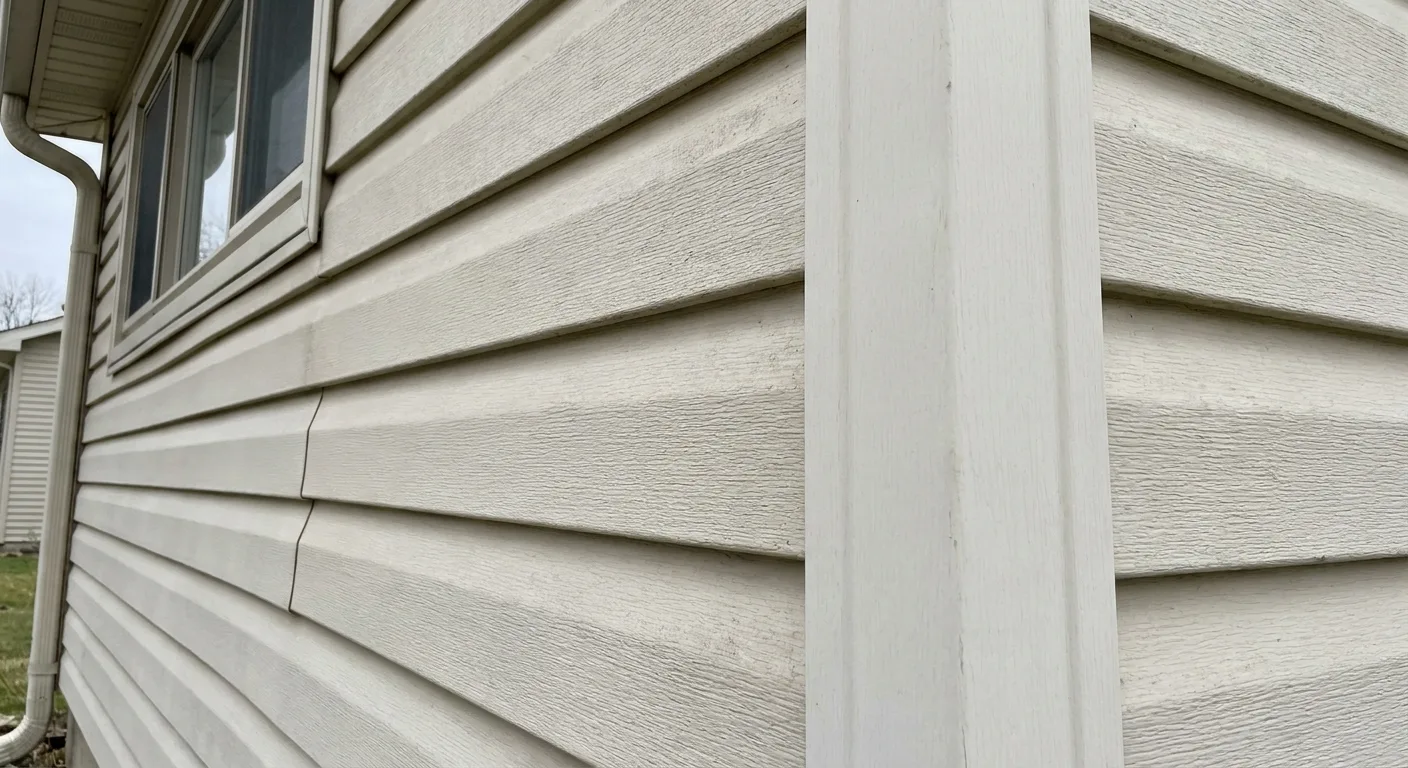
Vinyl is the entry point on cost among the three materials we install, and it asks the least of you afterward. The color runs through the material rather than sitting on top of it, so there is no repainting down the road. It is also the lightest of the three, and up close it reads as exactly what it is: vinyl. Its weak point is impact resistance, which matters here given how often this area sees hail.
Fiber cement
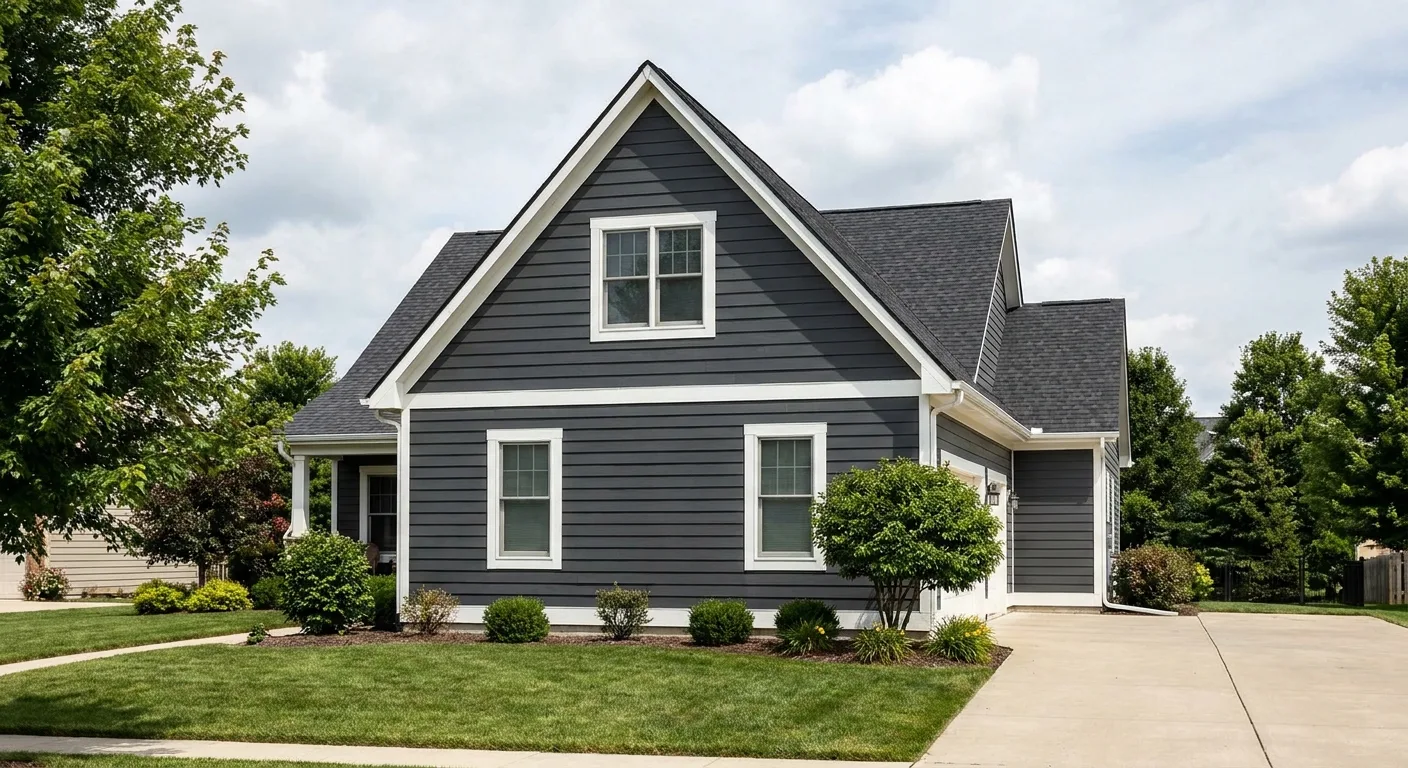
Fiber cement sits above vinyl on cost, and it earns that with dimensional stability. It holds paint well and shrugs off sun and insects in a way vinyl does not, and it holds a crisp, tailored line on the wall. It also comes with real downsides. It is heavy and slower to install, it is brittle at the edges and needs careful handling and cutting, and its finish has to be maintained over time rather than being finish-free.
Engineered wood
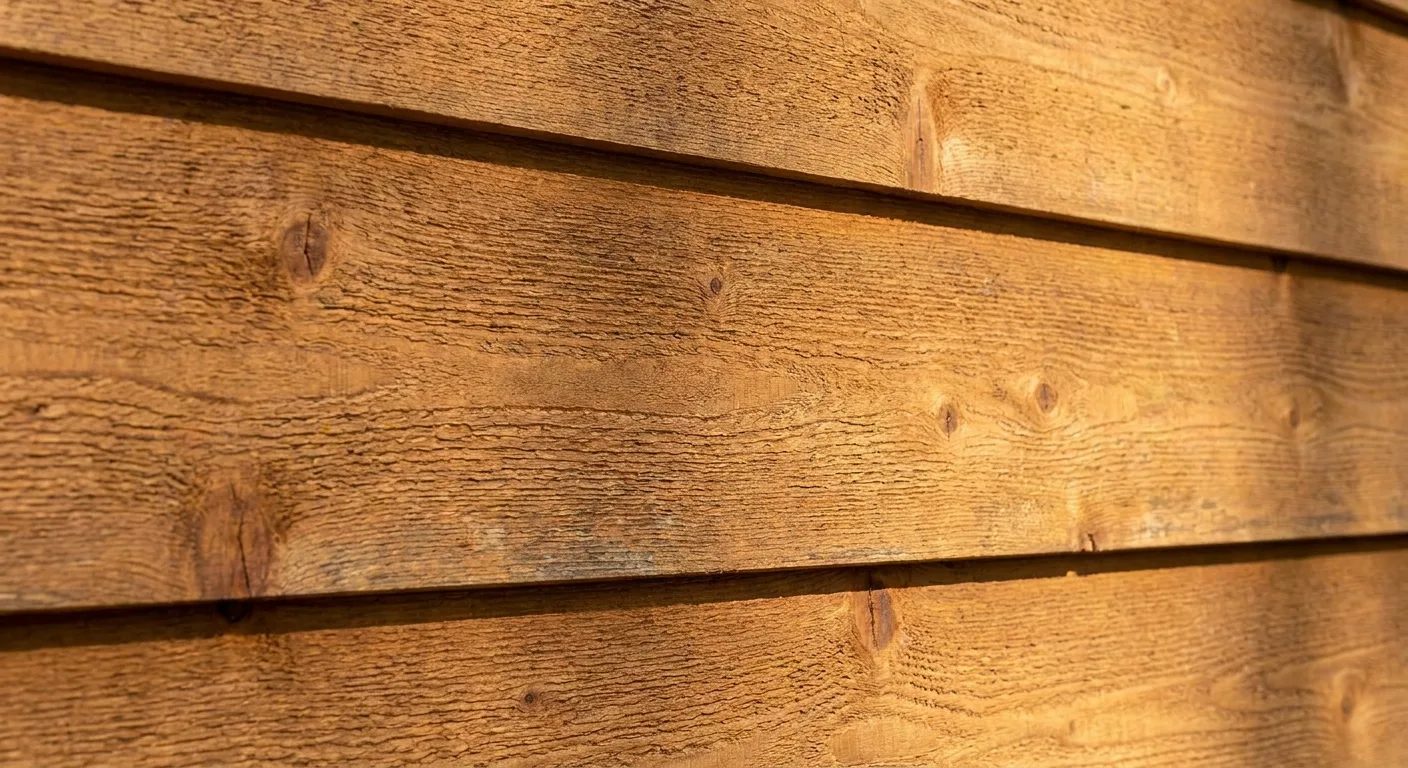
Engineered wood is a wood-based product, cut and handled like wood, and it reads like wood on the wall, with more impact resistance than vinyl has. LP SmartSide is the engineered-wood line we're a certified LP SmartSide installer on, and the details on that certification live on our LP SmartSide page. It sits above vinyl on cost. Because it's a wood product, keeping water out of the cuts and edges, and keeping the finish intact, is the whole job.
The paint warranty, and what it doesn't cover
Two of these three materials, vinyl aside, are only as good as the paint finish that goes on them, which is why we back that work with a 15 to 30 year limited lifetime warranty on siding paint. It's worth being precise about what that covers: it's a warranty on the paint finish itself, not the whole siding system underneath it, and not a labor warranty. The specific terms for the line and color you choose are something we walk through with you at your free estimate.
How it works
Free estimate
We walk the exterior with you, look at where it's failing and how far that goes, and talk through whether this is a section or the whole house.
Material and color
Together we figure out which of the three materials fits your house, the exposure it gets, and the budget you're working with. We handle the full permitting process where a permit is required, and requirements vary by jurisdiction.
Tear-off, and what's behind it
The old siding comes off, and the sheathing and moisture barrier underneath become visible for the first time. If there's damage back there, you'll know before anything goes back over it.
Install and walkthrough
New siding, trim, and finish go on, and we walk the finished exterior with you before we call the job done.
Why Tallgrass for this project
We install all three
Vinyl, fiber cement, and engineered wood are all things we install, so the material conversation with you starts with your house and its exposure, not with whichever line we happen to carry.
Chosen for the weather it will sit in
Hot, humid summers, freeze-and-thaw winters, recurring hail, and sustained sun on south and west walls all put a real material to the test here, which is exactly why the tradeoffs above matter in this specific place and not just in the abstract.
Licensed, insured, and local since 2015
Licensed and insured, family and locally owned, and established in 2015, with over two decades of combined trade experience among our crews.
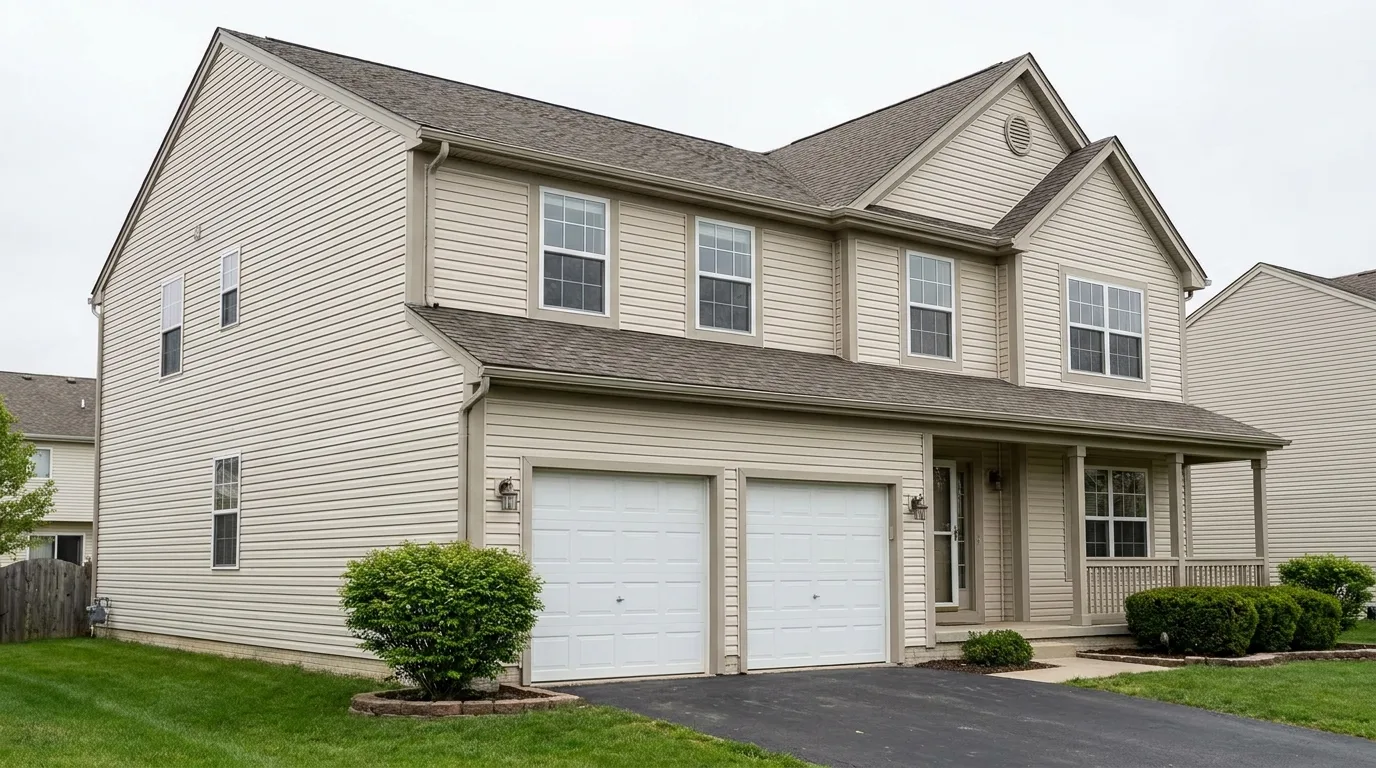
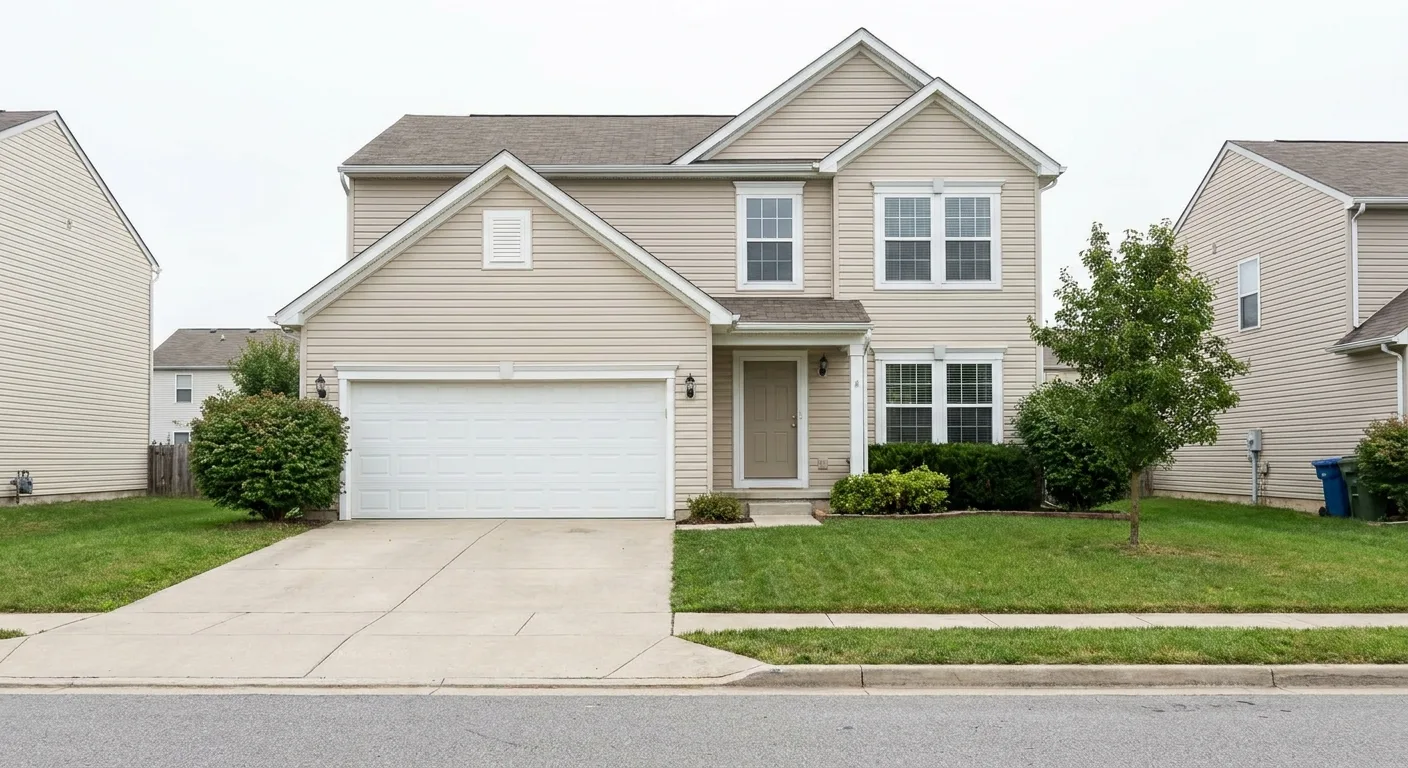
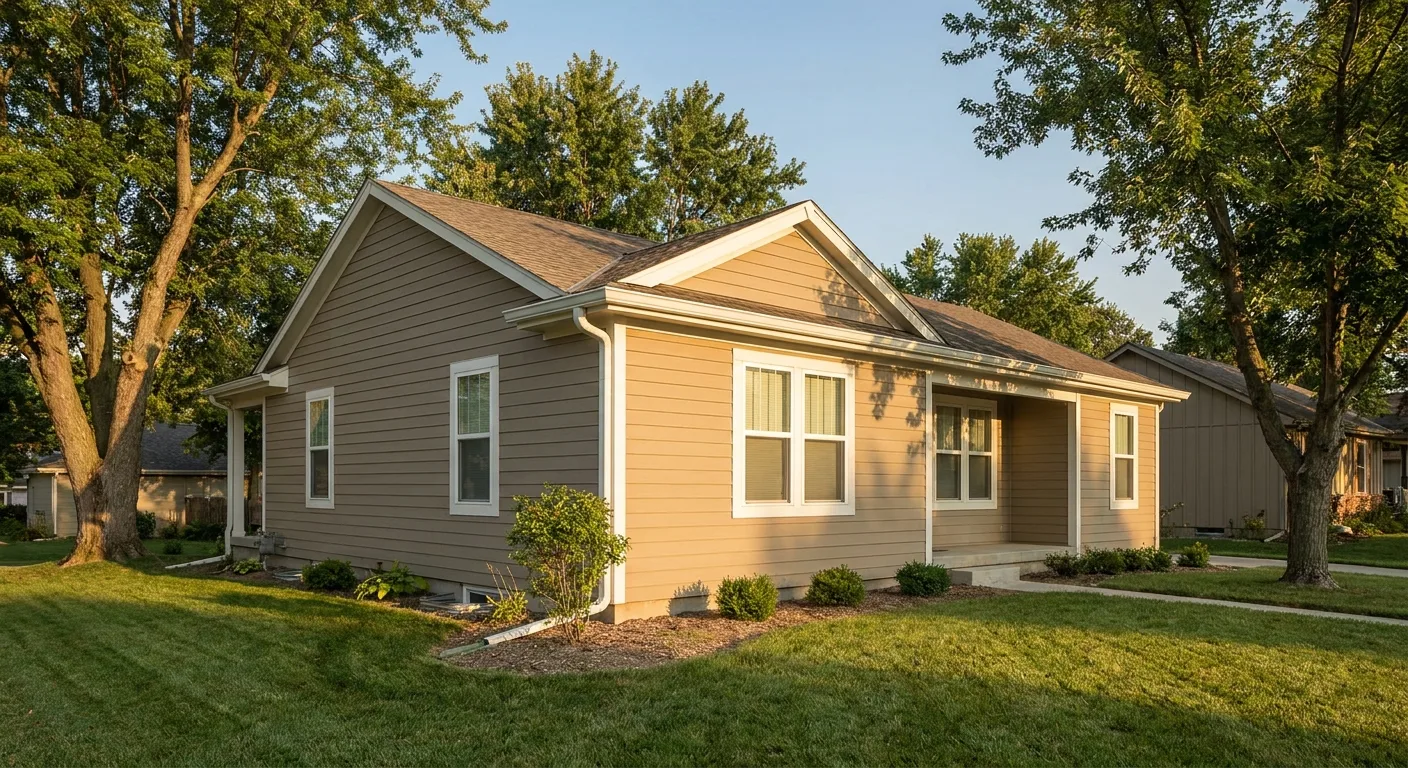
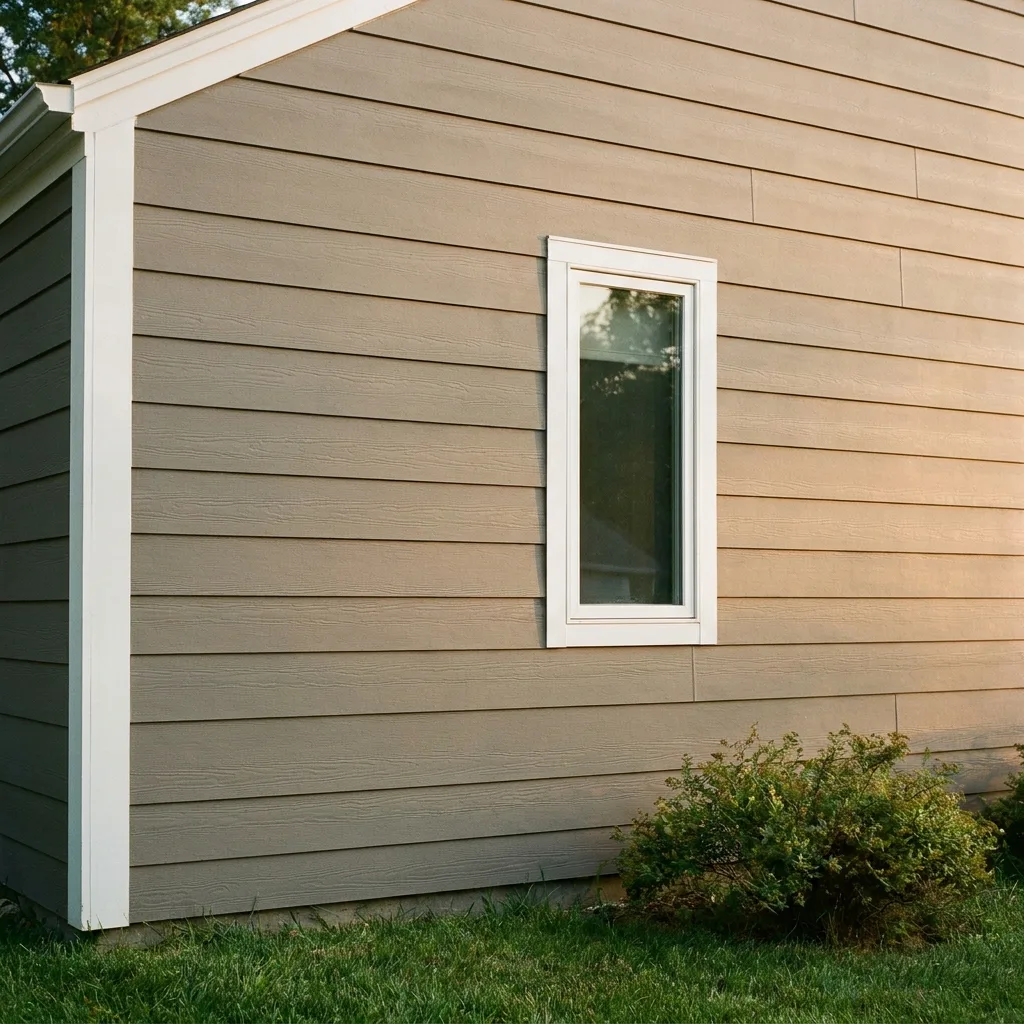
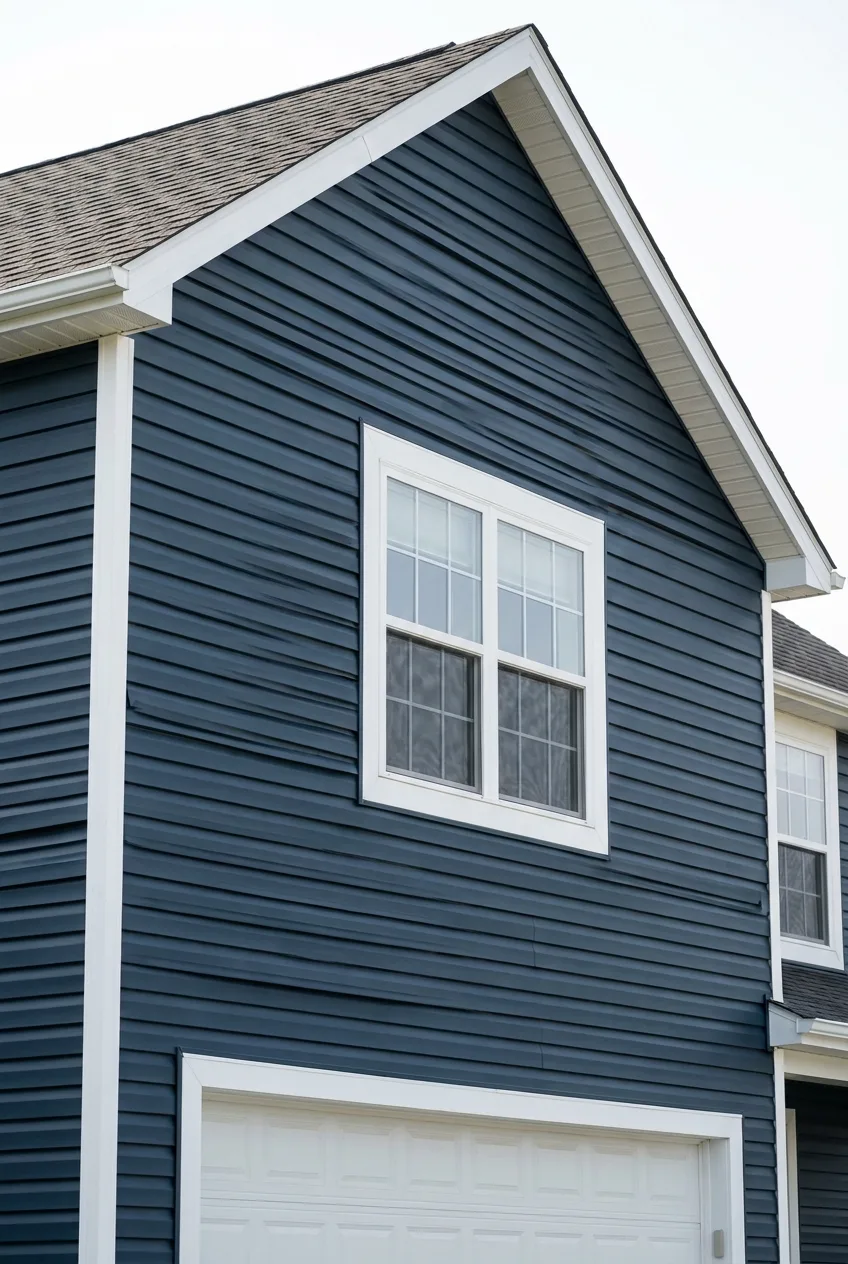
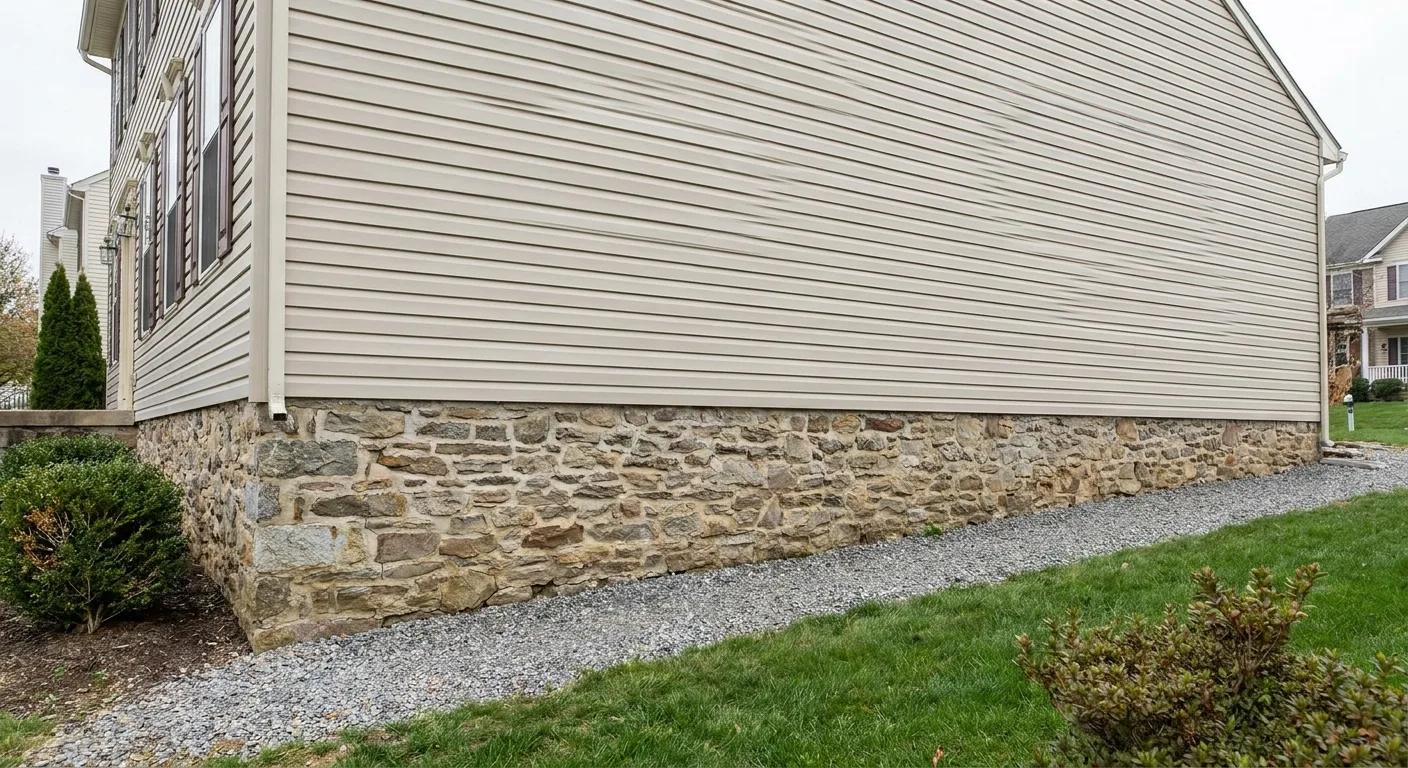
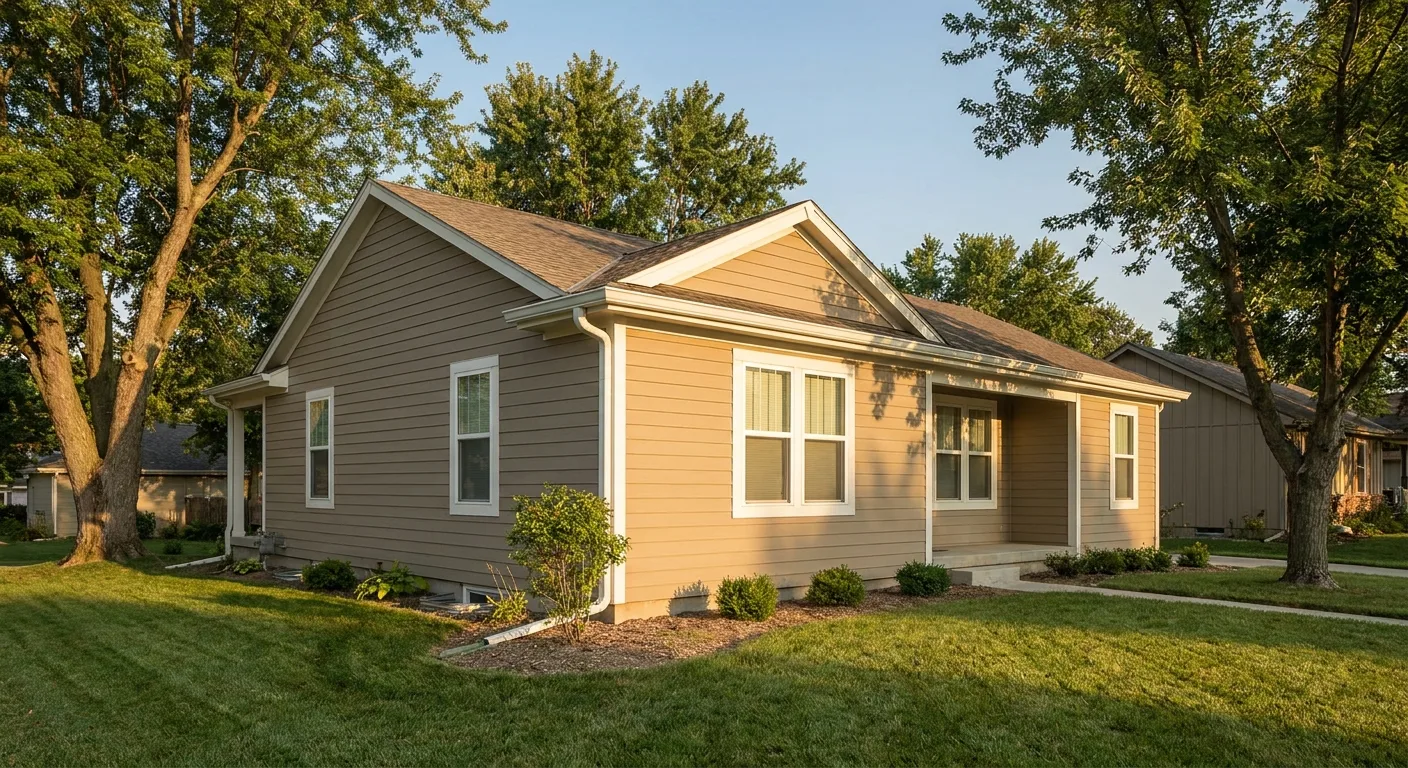
Recent siding projects
A look at recent re-sides on homes similar in age and style to yours.
Common questions about siding replacement
Watch for cracking, bubbling or blistering paint, soft or spongy spots, warping, chalky discoloration, paint that won't hold after a repaint, or gaps opening at the joints and corners. Our blog post on the signs your siding needs replacing walks through each one in more detail.
Sometimes, yes. If the damage is contained to one wall or area, replacing just that section can work. Two real limits, though: new material won't match the color and weathering of what's already up, and a cosmetic-only fix that leaves moisture behind the siding is a false economy.
It depends on which matters most to you. Vinyl costs less and asks less of you over time, but it's lighter and more vulnerable to impact. Fiber cement costs more, holds paint and a crisp line well, but it's heavier and needs its finish maintained.
Weight is the big one: it's heavy, which slows installation down. It's also brittle at the edges, so cutting and handling it takes real care. And its finish isn't maintenance-free: the paint needs to be kept up over time, same as any painted surface.
Siding's job is keeping water out of your walls, not just looking good. Once it stops doing that, moisture starts working on the sheathing behind it, which becomes a bigger job than the siding itself. Replacing it when it's failing protects the structure, not just the curb view.
Material is the biggest driver, along with how much wall area is being covered, how many stories and how reachable the house is, and how many corners, windows, and gables it has, since that's where labor concentrates. We walk through the specifics at your free estimate.
We work around the house in sections rather than stripping it all at once, so you're not living with an open house the whole time. It's your exterior that's disturbed, not the inside, and we work out access to walls and landscaping with you before the first day.
Related services
Request a free estimate on your siding replacement
Vinyl, fiber cement, and engineered wood sit at different points on cost, so tell us your budget range up front and we'll bring the right material options to your first visit, instead of quoting all three blind.